Winery Solar Marlborough: Turn Marlborough sun into cheaper refrigeration and processing
The short answer
Wineries suit solar because refrigeration dominates their load and peaks with the sun: The Coterie's 60 kW Marlborough array met 18 percent of winery energy against a 10 percent expectation (ANZ, June 2026). At 2026 pricing a 60 kW system costs roughly $98,000 to $135,000 installed, before the Investment Boost deduction.
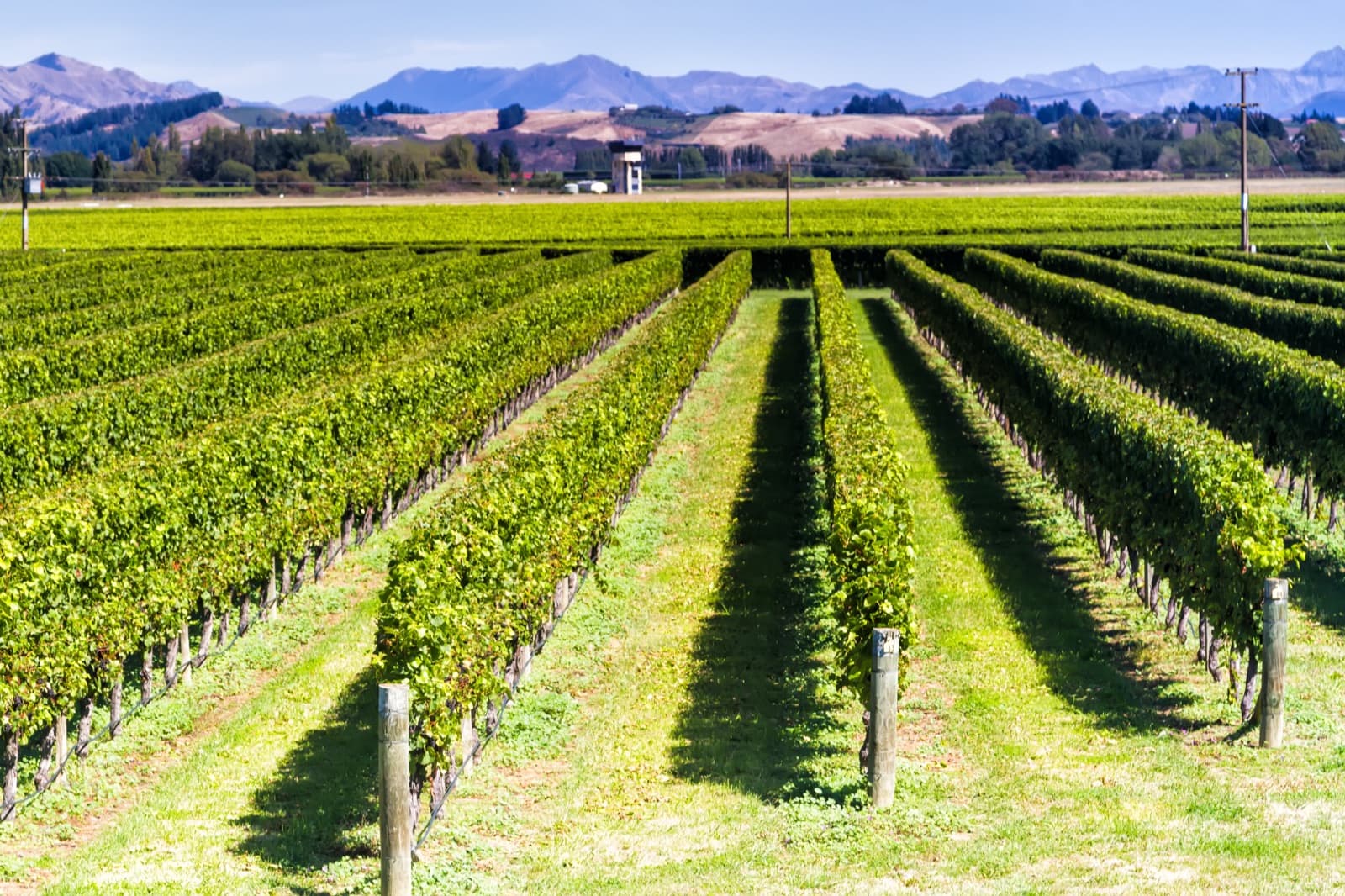
A winery is a refrigeration business with a cellar door out front. Tank cooling, cold stabilisation and barrel hall climate control draw power through exactly the months when Marlborough sunshine peaks, and the winery building offers a large, clean steel roof. Marlborough is the country's largest wine region, around 148 wineries across 32,000 hectares, and almost none of them have solar guidance written for them. That alignment of load, season and roof is what makes the segment one of the best solar fits in the South Island.
We are not an installer. Involve Energy models the system against your own load, arranges the financing stack and project-manages SEANZ-certified local crews through to commissioning, so you own the asset with an independent model behind it and one point of accountability.
Who has already done it here
The reference points are public and recent. The Coterie put a 60 kW array on its winery roof and reported in June 2026 that it met 18 percent of energy use against an expected 10. Treasury Wine Estates runs about 210 kW at its Matua site, and Yealands has run solar at Seaview since 2016 alongside a 4 MW array built with Marlborough Lines. These are cited industry references, not our projects, and they establish that Marlborough winery solar is a costed, operating practice at every scale.
Vintage, honestly
Crush compresses load into weeks, partly at night, and solar does not erase night pressing or demand charges. What it does is carry the long refrigeration tail that runs from spring through autumn, which on most sites is the larger annual cost. We model that month by month, not as an annual average. The full segment picture is in our guide to solar for wineries and vineyards.
How it works
01
Feasibility
Send twelve months of power bills, ideally half-hourly data. We model system size, generation against your actual load, self-consumption, cost, savings and payback on your numbers, not industry averages.
02
Financing
We apply the Investment Boost deduction and match the remainder to the best available green or interest-free business lending, sized so the repayment sits at or below your current bill wherever the numbers support it.
03
Installation
Certified local crews install and commission the system. We manage the lines company approval, the electrical certification and the programme around vintage, so the work does not land in your busiest weeks.
04
Monitoring
Once live, we watch performance, flag anything underperforming and report your actual savings against the model, year after year.
Start with a conservative estimate below, then send a year of bills for the half-hourly version. The Investment Boost and financing options are covered in full in the guides.
The numbers
What the numbers look like
| System size | Indicative installed cost | Indicative annual saving | Indicative payback |
|---|---|---|---|
| 30 kW | $54,000 to $78,000 | $7,000 to $9,000 | 5.5 to 10 years |
| 60 kW | $98,000 to $135,000 | $15,000 to $18,000 | 5 to 8.5 years |
| 100 kW | $140,000 to $180,000 | $25,000 to $31,000 | 4.5 to 7 years |
| 250 kW | $275,000 to $375,000 | $62,000 to $76,000 | 3.5 to 5.5 years |
Cited references
Worked examples from real sites
Industry referenceMarlborough
The Coterie
The Coterie in Marlborough installed a 60 kW rooftop array on its winery building and reported it met 18 percent of the winery's energy use against a 10 percent expectation, with refrigeration the dominant daytime load. Figures as reported by ANZ, June 2026; a cited industry reference, not an Involve Energy project.
- System
- 60 kW
Source: ANZ newsroom, June 2026
Your numbers
Start from the example. Put in yours.
Your farm or business
Your indicative numbers
Conservative, ex GST, modelled not promised
Measure
- Power used
- 188,235 kWh a year
- Your spend at 25.5c a kWh ex GST, the national commercial average.
- Power bill
- $48,000 a year
Design
- System
- 73 kW
- Sized to your daytime load.
- Generates
- 101,470 kWh a year
- Used on site
- 80%
- The rest exports at 8c a kWh.
- Installed cost
- $113,463 to $153,926
- Confirmed with certified installers.
Finance
- Investment Boost, year one
- about $7,487
- A 20% immediate tax deduction, worth this in cash at the 28% company rate. Not a discount.
- ASB Smart Solar Loan
- $2,228 a month
- 0% for 5 years. Reverts to a floating business rate after five years. Terms checked against asb.co.nz on 8 October 2026. ASB may change or withdraw the offer; the calculator only shows it while it matches.
- Estimated saving
- $1,688 a month
- Mid estimate, set against the repayment while the loan runs.
Outcome
- Saving
- $18,183 to $22,323 a year
- Payback
- 5 to 8 years
- Net of the Investment Boost benefit.
- Emissions avoided
- 6.0 t CO₂e a year
- Asset life
- 25+ years
- Panels keep producing long after payback.
How this is modelled (assumptions v2026-10-v7)
- Power valued at $0.20 to $0.26/kWh ex GST (savings are never valued at the top of the commercial tariff range).
- Export credited at $0.08/kWh, the conservative end of current buy-back rates.
- Installed cost interpolated from 30 kW ($1,800 to $2,600/kW) down to 500 kW ($1,100 to $1,500/kW), 2025/26 working ranges.
- Marlborough yield modelled at 1390 kWh per kW per year.
- Self-consumption capped by your daytime usage profile and held below typical vendor claims; sizing targets 90 percent of daytime load.
- Investment Boost stated as the year-one cash value of the 20 percent immediate deduction at the 28 percent company rate. It is a tax timing benefit, not a discount.
- No power price escalation and no panel degradation in simple payback; omitting escalation outweighs degradation, so the net effect is conservative.
Indicative only; not financial or tax advice. The feasibility study models your site from twelve months of actual bills.
Next step
Get these numbers checked properly
The real model is built from twelve months of your bills. Send your details and we will do it for you; we reply within one working day, no obligation.
Straight answers
The questions we get asked
Why do Marlborough wineries suit solar?
Refrigeration. Tank cooling, cold stabilisation and barrel hall climate control run hardest through the warm months when solar output peaks, and continue year round. Add daytime processing through vintage and a large clean winery roof, and the load shape matches generation better than most commercial sites.
How much of a winery's power can solar cover?
More than most expect. The Coterie in Marlborough reported its 60 kW rooftop array met 18 percent of winery energy use against a 10 percent expectation (ANZ, June 2026). Refrigeration-heavy sites with daytime processing typically see solar cover a fifth to a third of annual consumption, and far more of the summer daytime load.
Does solar help with vintage power peaks?
Partially. Vintage compresses crushing, pressing and fermentation cooling into weeks around March and April, when South Island solar still produces well but past its January peak. Solar shaves the daytime share of that peak; it does not remove demand charges from night pressing. We model vintage month by month rather than averaging it.
What does a winery-scale system cost?
A 60 kW system like The Coterie's sits around $98,000 to $135,000 installed at 2026 pricing; 100 kW runs $140,000 to $180,000. The Investment Boost deduction returns roughly 5.6 percent of cost in year-one tax cash for company taxpayers, and green business lending can carry the capital so repayments track the savings.
Roof mount or ground mount for a vineyard?
Winery and barrel hall roofs come first: steel, large and already there. Ground mounts suit vineyards with spare headland and can chase the ideal angle, but add structure cost and consenting questions. Panels over productive vines remain experimental in New Zealand rather than a costed standard.
See your winery's numbers before vintage
Send a recent power bill and we will model system size, cost, savings and payback against your actual load, vintage peaks and refrigeration tail included. Independent, no obligation, yours to keep.