Orchard and Packhouse Solar Central Otago: Turn Central Otago sunshine into cheaper packing and cold storage
The short answer
Commercial solar in Central Otago models a payback of 4 to 9.5 years for orchards, packhouses and cold stores, because cooling load peaks with the sun. A 60 to 250 kW system offsets daytime power worth about 20.4 to 25.5 cents a kWh in our model, and the Investment Boost deduction reduces the net cost from year one.
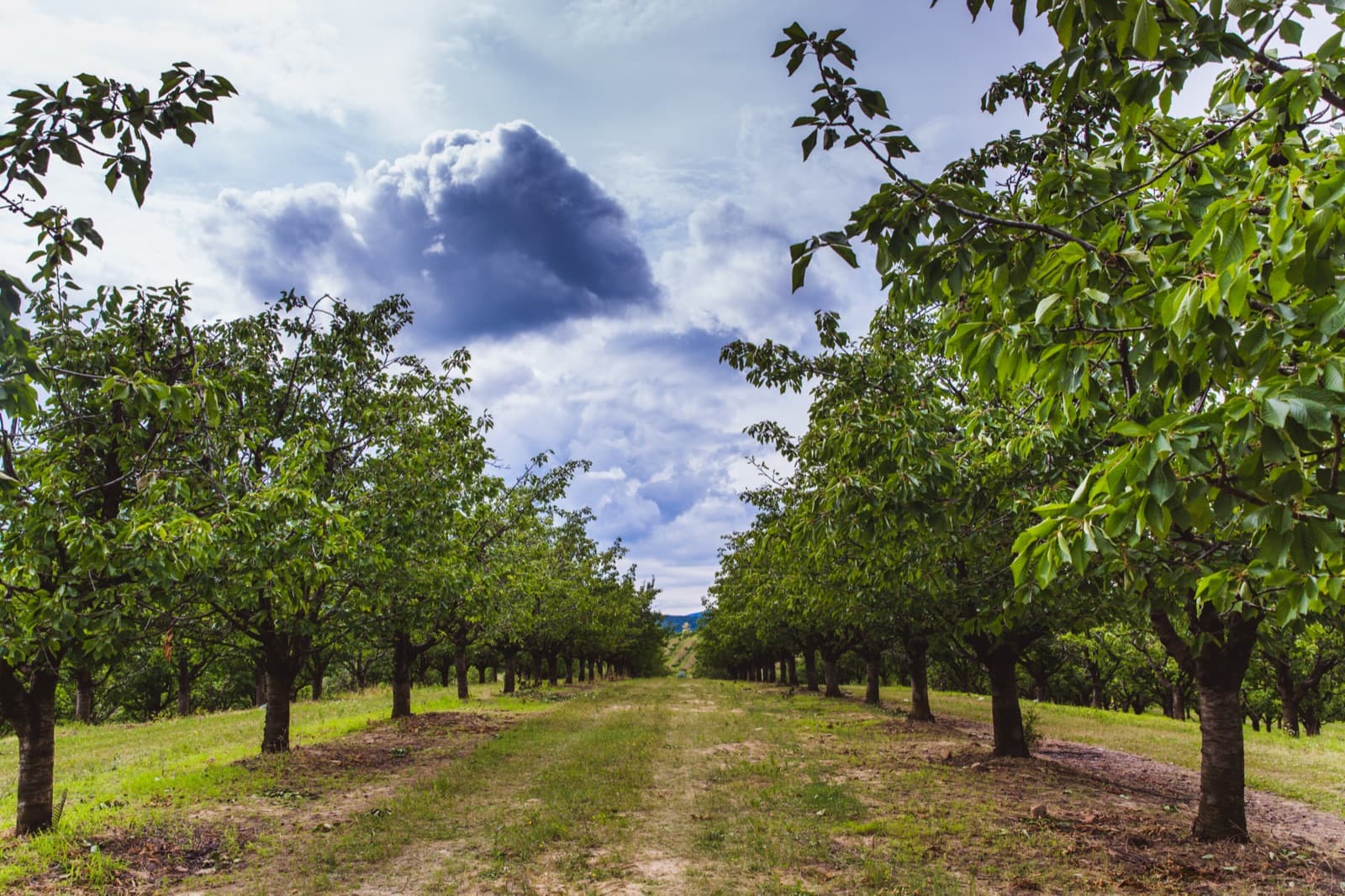
Central Otago orchards and packhouses run on refrigeration. Coolstores, controlled atmosphere rooms, graders and compressors draw hardest through the bright months, which is precisely when the region's long, clear summer days peak. That alignment between load and generation puts orchard and packhouse economics among the strongest we model.
We are not an installer. Involve Energy designs the system, models the financials against your own bills, arranges the financing stack and project-manages SEANZ-certified local crews through to commissioning. You get an owned asset, an independent model and one point of accountability.
01
Feasibility
Send twelve months of power bills. We model system size, generation against your load, self-consumption, cost, savings and payback on your numbers, not industry averages.
02
Financing
We apply the Investment Boost deduction and match the remainder to the best available green or interest-free business lending, sized so the repayment sits at or below your current bill wherever the numbers support it.
03
Installation
Certified local crews install and commission the system. We manage the lines company approval, the electrical certification and the programme around your harvest and packing calendar.
04
Monitoring
Once live, we watch performance, flag anything underperforming and report your actual savings, so the asset keeps earning what the model said it would.
Power prices rose across the South Island in 2025 and lines charges are approved to keep rising to 2030. A solar system sized to your daytime load fixes a large share of your power cost for twenty-five years, and the surplus earns export credit rather than going to waste.
The numbers
What the numbers look like
| System size | Indicative installed cost | Indicative annual saving | Indicative payback |
|---|---|---|---|
| 30 kW | $54,000 to $78,000 | $7,000 to $8,000 | 6.5 to 11 years |
| 60 kW | $98,000 to $135,000 | $13,000 to $16,000 | 5.5 to 9.5 years |
| 100 kW | $140,000 to $180,000 | $22,000 to $27,000 | 5 to 8 years |
| 250 kW | $275,000 to $375,000 | $55,000 to $67,000 | 4 to 6.5 years |
Cited references
Worked examples from real sites
Industry referenceCromwell, Central Otago
Forest Lodge Orchard
Forest Lodge Orchard at Cromwell runs as the world's first fully electric cherry orchard: no fossil fuels on site, with around 160 kW of solar and battery storage powering irrigation, frost fighting and electric machinery, and surplus exported to the grid. Figures as publicly reported by the orchard. It is the clearest proof of what Central Otago sunshine can do for horticulture.
- System
- 160 kW
Your numbers
Start from the example. Put in yours.
Your farm or business
Your indicative numbers
Conservative, ex GST, modelled not promised
Measure
- Power used
- 282,353 kWh a year
- Your spend at 25.5c a kWh ex GST, the national commercial average.
- Power bill
- $72,000 a year
Design
- System
- 125 kW
- Sized to your daytime load.
- Generates
- 152,500 kWh a year
- Used on site
- 80%
- The rest exports at 8c a kWh.
- Installed cost
- $168,750 to $218,750
- Confirmed with certified installers.
Finance
- Investment Boost, year one
- about $10,850
- A 20% immediate tax deduction, worth this in cash at the 28% company rate. Not a discount.
- ASB Smart Solar Loan
- $2,500 a month
- 0% for 5 years, on the first $150,000; the remainder is financed separately, and the full stack is part of the feasibility study. Reverts to a floating business rate after five years. Terms checked against asb.co.nz on 8 October 2026. ASB may change or withdraw the offer; the calculator only shows it while it matches.
- Estimated saving
- $2,537 a month
- Mid estimate, set against the repayment while the loan runs.
Outcome
- Saving
- $27,328 to $33,550 a year
- Payback
- 4.5 to 7.5 years
- Net of the Investment Boost benefit.
- Emissions avoided
- 9.0 t CO₂e a year
- Asset life
- 25+ years
- Panels keep producing long after payback.
How this is modelled (assumptions v2026-10-v7)
- Power valued at $0.20 to $0.26/kWh ex GST (savings are never valued at the top of the commercial tariff range).
- Export credited at $0.08/kWh, the conservative end of current buy-back rates.
- Installed cost interpolated from 30 kW ($1,800 to $2,600/kW) down to 500 kW ($1,100 to $1,500/kW), 2025/26 working ranges.
- Central Otago and Queenstown Lakes yield modelled at 1220 kWh per kW per year.
- Self-consumption capped by your daytime usage profile and held below typical vendor claims; sizing targets 90 percent of daytime load.
- Investment Boost stated as the year-one cash value of the 20 percent immediate deduction at the 28 percent company rate. It is a tax timing benefit, not a discount.
- No power price escalation and no panel degradation in simple payback; omitting escalation outweighs degradation, so the net effect is conservative.
Indicative only; not financial or tax advice. The feasibility study models your site from twelve months of actual bills.
Next step
Get these numbers checked properly
The real model is built from twelve months of your bills. Send your details and we will do it for you; we reply within one working day, no obligation.
Straight answers
The questions we get asked
What does commercial solar cost for an orchard, packhouse or cold store?
Indicative installed costs in 2026 run from roughly $1,800 to $2,600 per kW at 30 kW, down to $1,100 to $1,500 per kW at 250 kW and above, ex GST. A typical 100 kW packhouse system lands between $140,000 and $180,000 installed. We confirm exact pricing with certified local installers before you commit, and the feasibility study models cost against your actual bills.
What payback should a Central Otago orchard or cold store expect?
Our worked examples for 60 to 250 kW systems with high daytime use model out at 4 to 9.5 years after the Investment Boost, and the panels keep producing for twenty-five years or more. In Central Otago, cooling load peaks with clear summer days, which helps. The biggest drivers are how much of the generation you use on site and your current tariff, which is why we model from twelve months of your real bills rather than averages.
How does the Investment Boost actually work?
The Investment Boost lets a business deduct 20 percent of a new asset's cost immediately, with the remaining 80 percent depreciating as normal. It is a tax timing benefit, not a discount: for a company paying the 28 percent rate it is worth roughly 5.6 percent of the system cost in year-one cash, with no value cap. We state it that way in every model. None of this is tax advice; your accountant confirms the treatment.
Can the repayments really sit at or below our current power bill?
Often, yes. Banks currently offer green business lending for solar, including interest-free terms for on-farm systems, and we size the finance so the monthly repayment sits at or below the power spend it replaces wherever the numbers genuinely support it. When they do not, we show you that plainly. Either way you own the asset from day one rather than renting your power.
Do we need batteries?
Not always. Packhouses and cold stores use most of their power while the sun is up, which is exactly when solar produces, so many sites start with panels only and add storage later. Batteries earn their keep when you need resilience through outages, want to shift evening load, or want to capture premium export rates. The feasibility study models both ways so you can see the difference.
What about winter and the shoulder seasons?
Solar output in Central Otago is strongly seasonal: long, bright summers and short winter days. We size systems against your monthly load profile rather than the annual average, so the model shows month-by-month self-consumption honestly. For most packing and cooling operations the heavy load arrives in the high-production months, which is also when the panels produce most.
Who installs the system, and what approvals are needed?
Installation is carried out by SEANZ-member certified local crews holding the Mains Parallel Generation endorsement, with an electrical Certificate of Compliance and an independent Record of Inspection. Grid connection needs Distributed Generation approval from your lines company before the system goes live. We manage that paperwork, the lender's requirements and the installer, and you sign once.
Will the solar keep running during a power cut?
A standard grid-tied system shuts down in an outage for line-crew safety, so on its own it will not back up your coolstore. If outage resilience matters, we design with a battery and backup capability that can island the site. It costs more, so we model it separately and let the numbers and your risk tolerance decide.
See your numbers before you commit to anything
Send us a recent power bill and we will model system size, cost, savings and payback against your actual usage. Independent, no obligation, and yours to keep.