Cold Store & Packhouse Solar Canterbury: Refrigeration is a near-perfect solar load
The short answer
Cold stores and packhouses suit solar because refrigeration, up to 85 percent of their energy use (EECA), runs through daylight and peaks in the warm months with the sun. In Canterbury a 100 kW system costs roughly $140,000 to $180,000 installed in 2026, and the year-round refrigeration base load keeps self-consumption high, which is what makes the payback work.
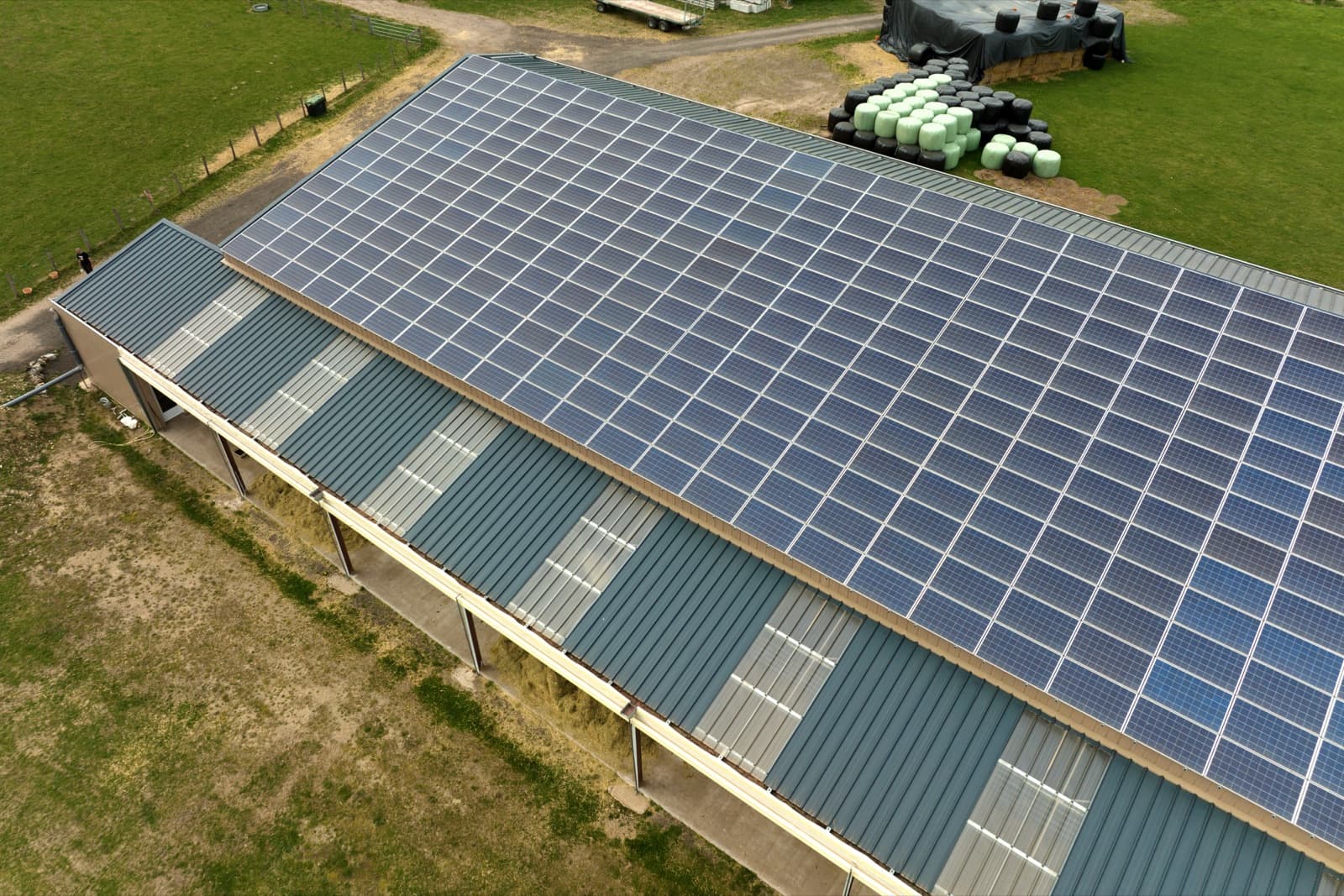
A cold store is a refrigeration business, and refrigeration is close to a perfect solar load: it can be up to 85 percent of site energy use, it runs through daylight, and it works hardest in the warm months when the sun is strongest. Canterbury concentrates the packhouses, coolstores and food processors that carry that load, alongside good sunshine and a rising commercial power price. That is why refrigerated sites are among the strongest commercial cases we model.
We are not an installer. Involve Energy models the system against your own load, arranges the financing stack and project-manages SEANZ-certified local crews through to commissioning, so you own the asset with an independent model behind it and one point of accountability.
Why year-round load beats a seasonal peak
A packing line runs for a few busy weeks; a cold store runs every day of the year. That steady daytime base load is what makes refrigerated sites pay: the system serves real demand almost every daylight hour, so self-consumption stays high and little generation is wasted on low-value export. Self-consumed solar avoids about 20.4 to 25.5 cents a kWh in our model; export earns only 7 to 17 cents, which is why we size to the load. The mechanics are in our guide to buy-back rates and self-consumption.
How it works
01
Feasibility
Send twelve months of power bills, ideally half-hourly data. We model system size, generation against your actual load, self-consumption, cost, savings and payback on your numbers, not industry averages.
02
Financing
We apply the Investment Boost deduction and match the remainder to the best available green or interest-free business lending, sized so the repayment sits at or below your current bill wherever the numbers support it.
03
Installation
Certified local crews install and commission the system on the packhouse or coolstore roof, or on structure alongside. We manage the lines company approval, the electrical certification and the programme around your operating calendar so the cold chain is never at risk.
04
Monitoring
Once live, we watch performance, flag anything underperforming and report your actual savings against the model, year after year.
Start with a conservative estimate below, then send a year of bills for the half-hourly version. The wider costs and payback picture is in our commercial solar guide.
The numbers
What the numbers look like
| System size | Indicative installed cost | Indicative annual saving | Indicative payback |
|---|---|---|---|
| 30 kW | $54,000 to $78,000 | $7,000 to $9,000 | 6 to 10.5 years |
| 60 kW | $98,000 to $135,000 | $14,000 to $17,000 | 5.5 to 9 years |
| 100 kW | $140,000 to $180,000 | $23,000 to $29,000 | 4.5 to 7 years |
| 250 kW | $275,000 to $375,000 | $59,000 to $72,000 | 3.5 to 6 years |
Your numbers
Start from the example. Put in yours.
Your farm or business
Your indicative numbers
Conservative, ex GST, modelled not promised
Measure
- Power used
- 282,353 kWh a year
- Your spend at 25.5c a kWh ex GST, the national commercial average.
- Power bill
- $72,000 a year
Design
- System
- 116 kW
- Sized to your daytime load.
- Generates
- 151,960 kWh a year
- Used on site
- 80%
- The rest exports at 8c a kWh.
- Installed cost
- $158,688 to $205,088
- Confirmed with certified installers.
Finance
- Investment Boost, year one
- about $10,186
- A 20% immediate tax deduction, worth this in cash at the 28% company rate. Not a discount.
- ASB Smart Solar Loan
- $2,500 a month
- 0% for 5 years, on the first $150,000; the remainder is financed separately, and the full stack is part of the feasibility study. Reverts to a floating business rate after five years. Terms checked against asb.co.nz on 8 October 2026. ASB may change or withdraw the offer; the calculator only shows it while it matches.
- Estimated saving
- $2,528 a month
- Mid estimate, set against the repayment while the loan runs.
Outcome
- Saving
- $27,231 to $33,431 a year
- Payback
- 4.5 to 7 years
- Net of the Investment Boost benefit.
- Emissions avoided
- 9.0 t CO₂e a year
- Asset life
- 25+ years
- Panels keep producing long after payback.
How this is modelled (assumptions v2026-10-v7)
- Power valued at $0.20 to $0.26/kWh ex GST (savings are never valued at the top of the commercial tariff range).
- Export credited at $0.08/kWh, the conservative end of current buy-back rates.
- Installed cost interpolated from 30 kW ($1,800 to $2,600/kW) down to 500 kW ($1,100 to $1,500/kW), 2025/26 working ranges.
- Canterbury yield modelled at 1310 kWh per kW per year.
- Self-consumption capped by your daytime usage profile and held below typical vendor claims; sizing targets 90 percent of daytime load.
- Investment Boost stated as the year-one cash value of the 20 percent immediate deduction at the 28 percent company rate. It is a tax timing benefit, not a discount.
- No power price escalation and no panel degradation in simple payback; omitting escalation outweighs degradation, so the net effect is conservative.
Indicative only; not financial or tax advice. The feasibility study models your site from twelve months of actual bills.
Next step
Get these numbers checked properly
The real model is built from twelve months of your bills. Send your details and we will do it for you; we reply within one working day, no obligation.
Straight answers
The questions we get asked
Why do cold stores and packhouses suit solar?
Refrigeration. It can be up to 85 percent of a coolstore or packhouse's energy use (EECA), it runs through daylight, and it runs hardest in the warm months when solar output peaks. That load shape is close to the best match there is for solar, which is why refrigerated sites are among the strongest commercial cases we model.
Does a cold store's year-round load help?
Yes. Unlike a seasonal packing peak, cold storage draws power every day of the year, so a solar system serves a steady daytime base load rather than a few busy weeks. That lifts self-consumption, the share of generation used on site, which is what makes the payback work.
What does a packhouse or cold-store system cost?
It scales with the refrigeration load. A 100 kW system runs $140,000 to $180,000 installed at 2026 pricing, and 250 kW around $275,000 to $375,000, with the per-kW cost falling as size rises. The Investment Boost deduction returns about 5.6 percent of the cost in year-one tax cash for a company taxpayer.
Do we need a battery to protect the cold chain?
Not to save money; refrigeration is a daytime load that solar serves directly. A battery is worth modelling separately where outage resilience has real value, since a standard grid-tied system shuts down in an outage for line-crew safety. We model storage on its own so the numbers, not the bundle, decide.
Why Canterbury for cold-store solar?
Mid and South Canterbury concentrate food processing, packing and cold storage alongside good sunshine (a modelled 1,310 kWh per kW a year) and rising commercial power prices. That combination of steady refrigeration load, sun and cost is what makes the region a strong fit.
See your cold store's numbers before you commit
Send a recent power bill and we will model system size, cost, savings and payback against your actual refrigeration load. Independent, no obligation, yours to keep.